The Evolution of Escape Rooms: From Concept to Reality
Escape rooms have gained immense popularity over the past decade, transforming from a niche idea into a mainstream entertainment option. This article explores the evolution of escape rooms, examining how they have developed into immersive quest experiences that encourage group participation and cater to various themes.
Understanding the Origins
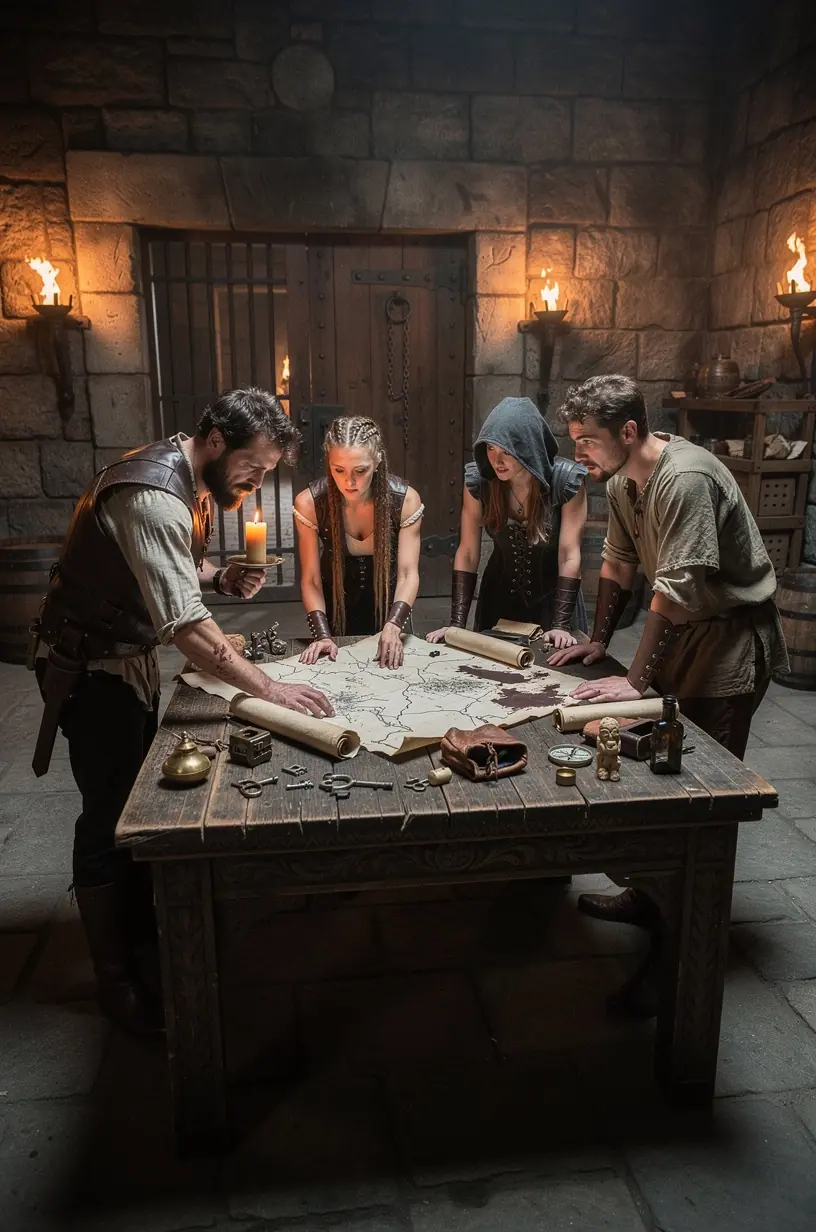
The concept of escape rooms originated in the early 2000s, with the first escape room reportedly established in Japan. These initial experiences were simple, often consisting of basic puzzles and limited themes. As the genre gained traction, research and feedback from participants emphasized the need for more engaging and immersive environments. Today, many escape room centers utilize themed scenarios, which, according to industry experts, significantly enhance the participants' experience.
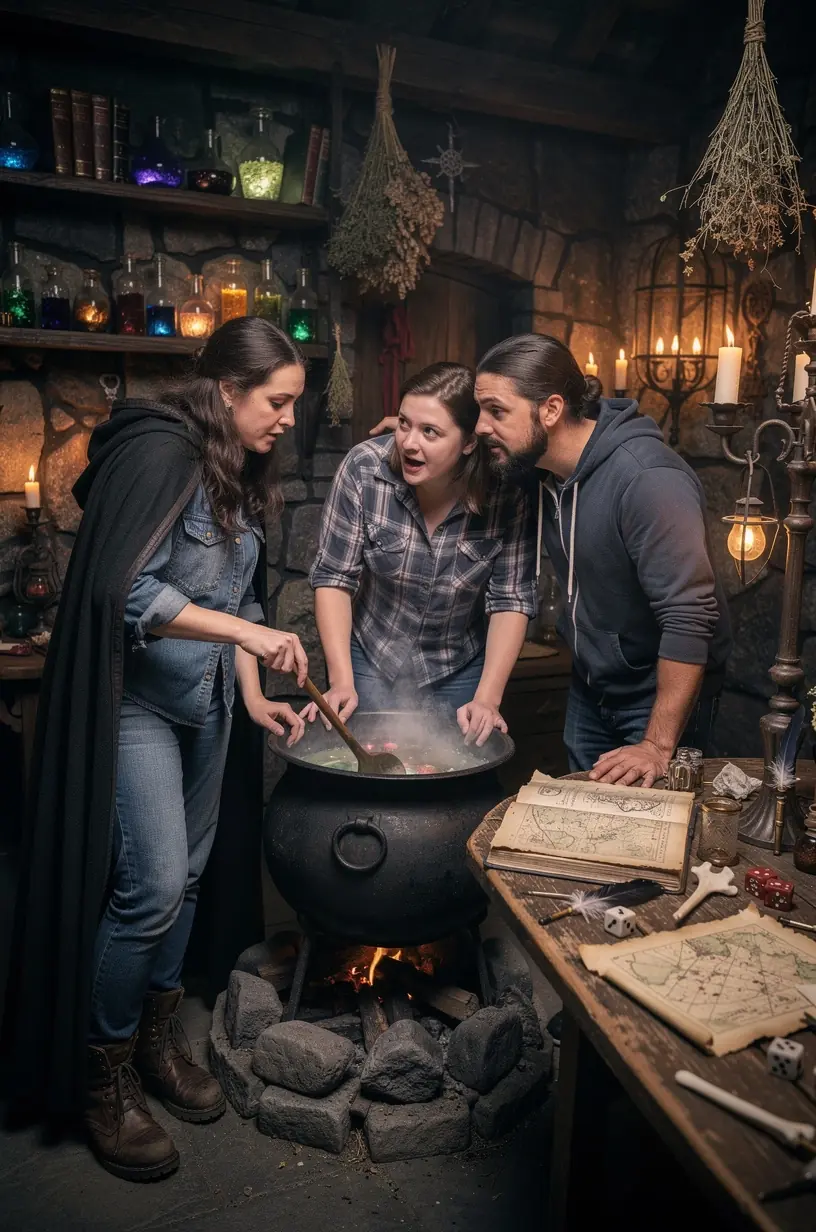
"Themed environments contribute to a more immersive experience, creating a sense of involvement that is crucial for engagement." - Industry Expert
How Escape Rooms Work
Typically, escape rooms require participants to work together to solve a series of puzzles within a specified time limit, often 60 minutes. The underlying principle of this format is to encourage teamwork and problem-solving skills. The process usually involves:
- Group Entry: Teams of 2-10 players usually enter the room, where they receive a brief introduction to the storyline and objectives.
- Problem Solving: Participants must communicate effectively to unlock clues and solve puzzles, which can range from physical tasks to logical challenges.
- Clue Synergy: Many escape rooms integrate various types of clues that rely on teamwork. For instance, one player may need to find a clue hidden in an object while another deciphers a code based on that item.
Thematic Innovations
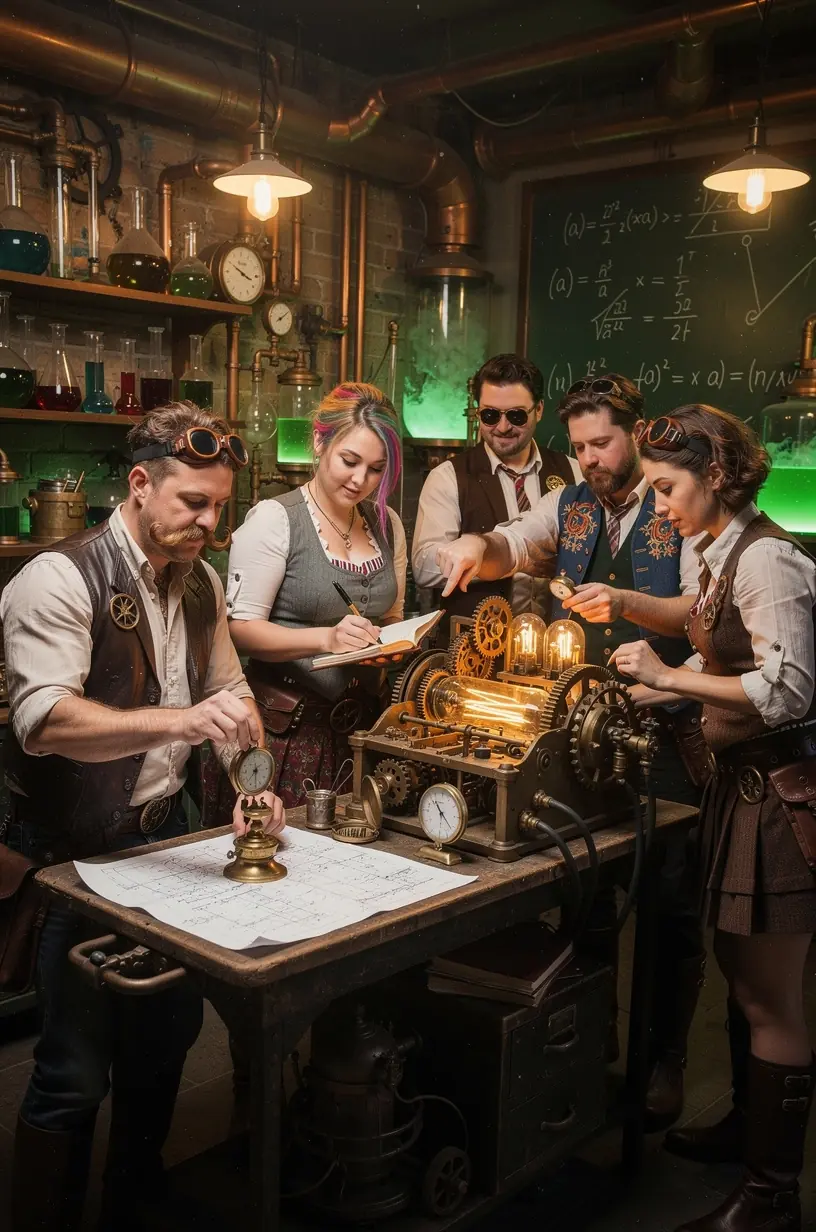
As escape rooms have evolved, so have the themes and narratives. Many centers now offer experiences that transport players into different worlds—whether it's a haunted mansion, a spy mission, or a futuristic setting. According to a 2021 study, themed escape rooms can improve group dynamics significantly, fostering collaboration and communication.
Moreover, technology has played a crucial role in this evolution. Many escape rooms now incorporate digital and interactive elements, such as augmented reality or automated puzzles, making the experience more dynamic. This incorporation of technology can often enhance the storytelling aspect and engage users more effectively, as studies suggest that interactive storytelling can improve retention and participation rates.
Challenges and Considerations
While escape rooms provide many benefits, they also come with certain limitations and challenges. For instance:
- Typically, the design and setup of an escape room can take several months and requires significant investment in both time and money.
- Creating a balanced challenge level is essential; puzzles that are too easy may lead to boredom, while overly complex challenges can frustrate participants.
- Escape rooms may not be ideal for individuals who prefer solitary activities or experience high levels of anxiety in group settings.
Conclusion
The evolution of escape rooms has transformed them into a beloved form of entertainment that not only challenges the mind but also fosters teamwork and creativity. As they continue to develop, with new themes and technological enhancements, escape rooms offer unique experiences that cater to a variety of interests. Participants can expect immersive environments that provide opportunities for problem-solving and collaboration, while also enjoying a fun and engaging outing. This blend of entertainment and challenge is set to evolve even further, making escape rooms a reliable option for group activities and celebrations.
Discover More