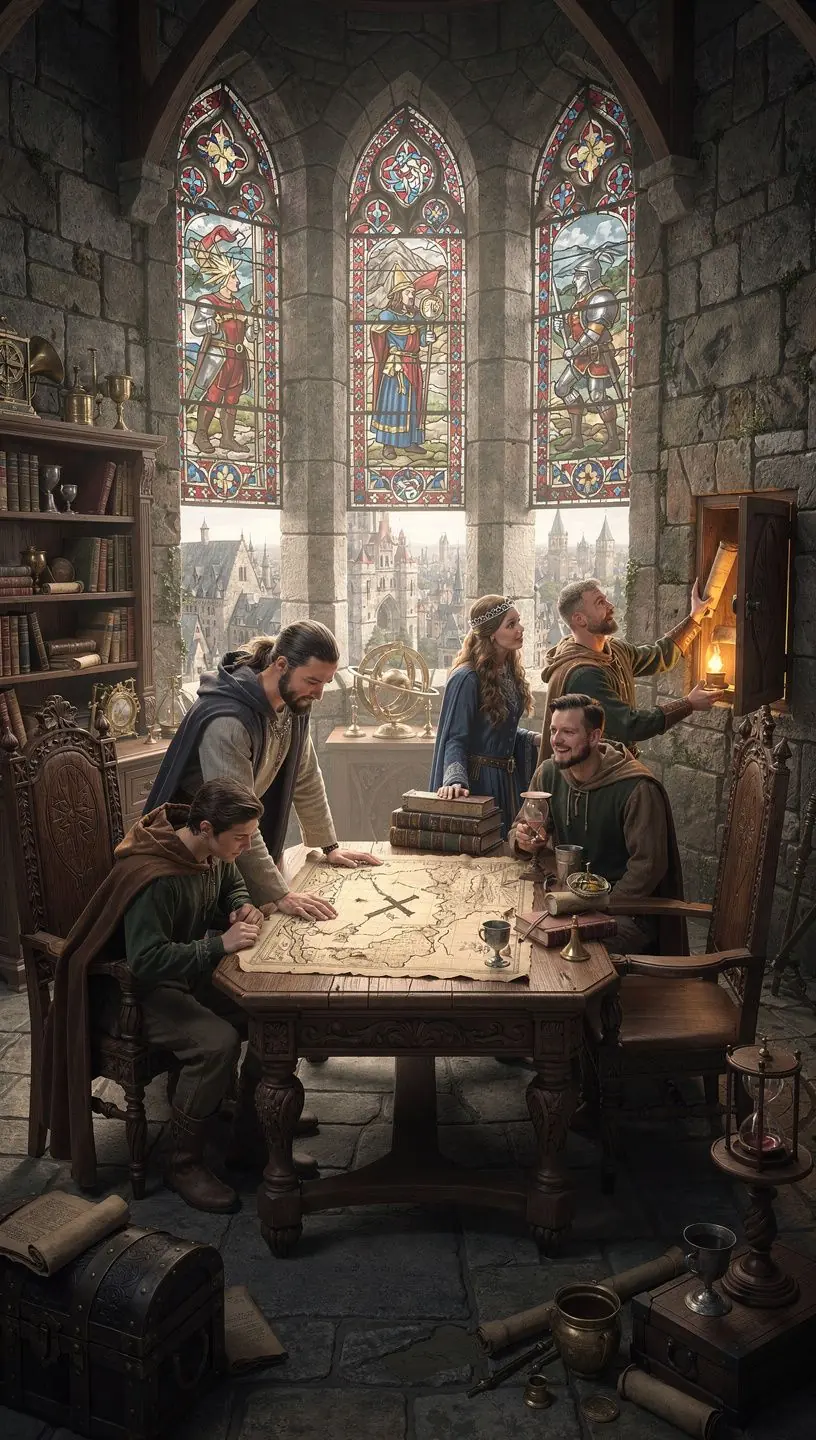
How Immersive Storytelling Enhances Group Dynamics
Escape rooms have gained popularity as engaging environments that foster teamwork through immersive storytelling. By creating a narrative framework, these experiences can significantly enhance group dynamics and cooperation among participants. In this article, we explore how immersive storytelling can improve collaboration, communication, and overall group experience in escape room settings.
Understanding the Basics of Immersive Storytelling
Immersive storytelling in escape rooms typically involves creating a detailed narrative that participants must navigate. This approach is supported by research which indicates that storytelling can improve retention and engagement. Experts in psychology have noted that individuals often relate better to narratives than to abstract concepts, making immersive scenarios a powerful tool for enhancing group interactions.
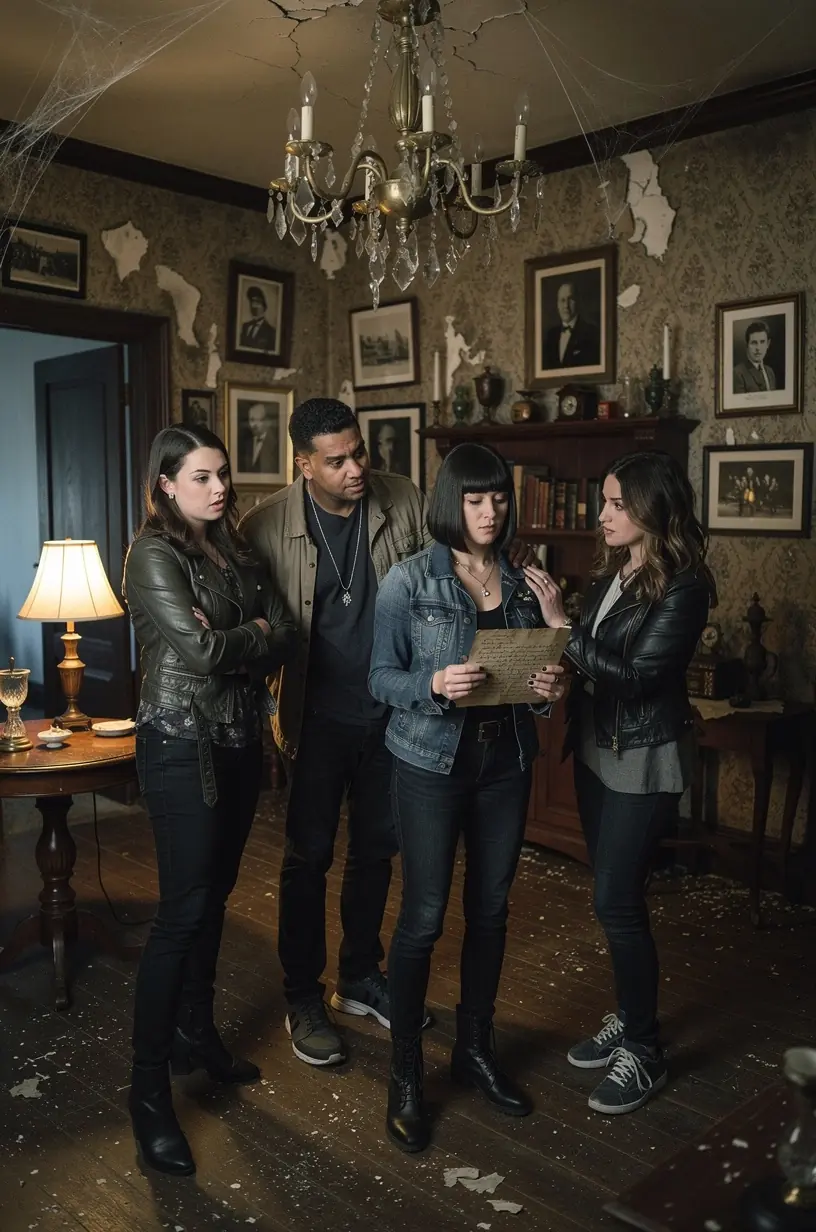
"Research shows that groups who engage in storytelling can enhance their cooperation and problem-solving skills significantly."
The Benefits of Group Dynamics in Escape Rooms
When participants engage in a story-driven quest, several positive changes in group dynamics can occur:
- Enhanced Communication: Participants are often required to discuss clues and share insights, which can lead to improved communication skills. Many users report that they feel more comfortable expressing their thoughts in a collaborative setting.
- Increased Engagement: Studies show that immersive environments can lead to higher levels of engagement, as participants are drawn into the narrative. This involvement can motivate team members to contribute more actively.
- Strengthened Relationships: Working together to solve puzzles fosters a sense of camaraderie. According to industry standards, team-building activities that include storytelling can significantly improve interpersonal relationships within groups.
How Storytelling Works: The Mechanics Behind It
The principle behind immersive storytelling is that it creates a shared experience that participants can rally around. The process typically involves:
- Setting the Scene: Escape rooms often begin by introducing a compelling backstory, which primes participants for the adventure ahead.
- Interactive Engagement: Players are often placed in scenarios that require immediate decision-making, encouraging real-time collaboration.
- Resolution of Challenges: As teams work through narrative-driven challenges, they learn to rely on each other's strengths and strategies, which can lead to effective teamwork.
Acknowledging Limitations and Time Commitments
While engaging in immersive storytelling can be beneficial, it is essential to acknowledge certain limitations. The experience typically requires a time commitment of one hour, and participants must be prepared for a range of challenges that require different skill sets. Not all groups may find this format ideal, particularly those that prefer less structured activities. Additionally, the effectiveness of storytelling can vary based on the group's composition and familiarity with each other.
Conclusion: Setting Realistic Expectations
In summary, immersive storytelling in escape rooms can significantly enhance group dynamics by fostering improved communication, engagement, and relationships. However, to fully benefit from these experiences, participants should be aware of the necessary time commitment and the range of challenges they will face. By understanding the mechanics of storytelling and its effect on group interactions, teams can approach these activities with realistic expectations and a readiness to collaborate effectively.