
Exploring the Psychology Behind Escape Rooms
Escape rooms have surged in popularity over the past decade, attracting individuals and groups looking for a unique blend of entertainment and mental challenge. But what makes these immersive experiences so appealing? In this article, we delve into the psychological aspects that drive the thrill of escape rooms, highlighting their impact on teamwork, problem-solving, and stress relief.
Understanding the Basics
Escape rooms are designed to challenge participants with themed scenarios that require collaboration and critical thinking to solve puzzles and "escape" within a set time limit. According to research, engaging in such group activities can significantly enhance social bonds and improve communication skills among participants. Experts in group dynamics suggest that these shared challenges often foster a sense of camaraderie and collective achievement.
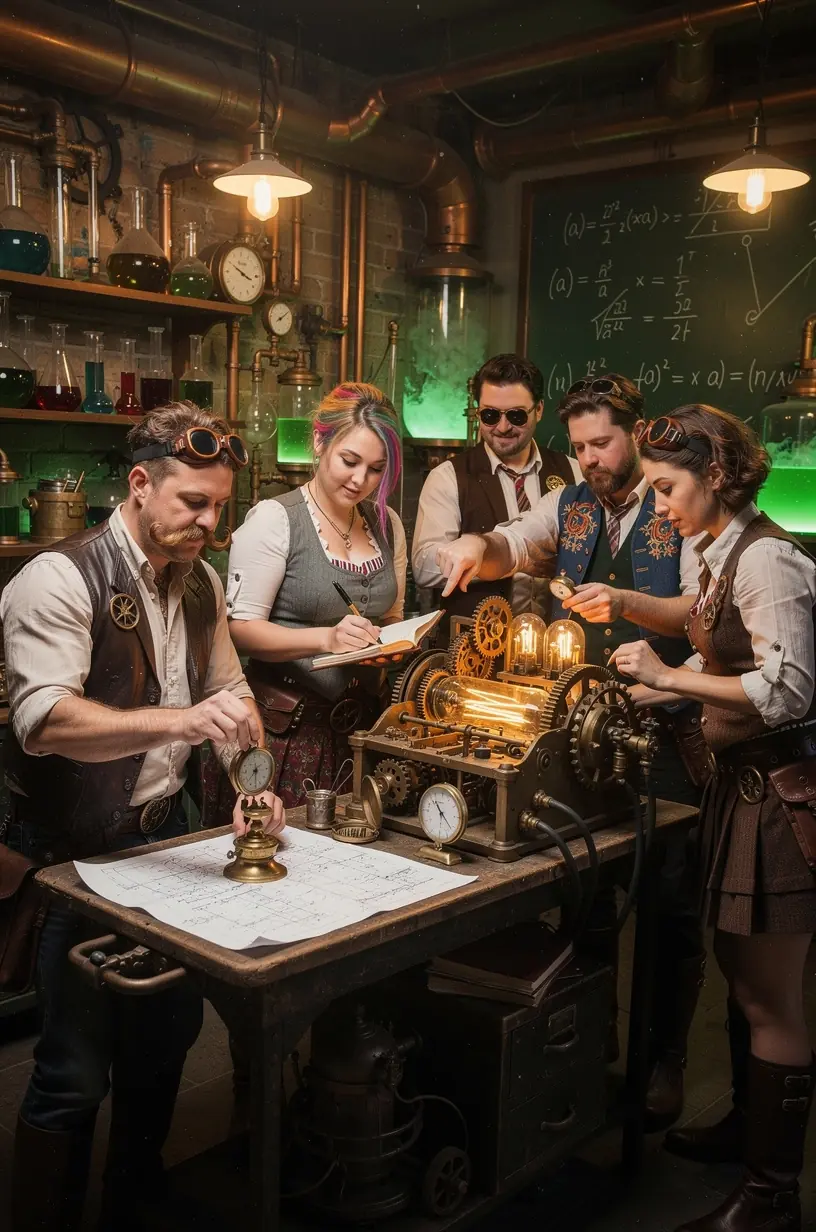
"Participating in escape rooms not only promotes teamwork but also enhances individual problem-solving abilities under pressure." - Dr. Lisa Tran, Psychologist
The Psychology of Teamwork
In an escape room, players must collaborate effectively to uncover clues and solve puzzles. This reliance on teamwork can lead to a deeper understanding of group dynamics. Studies indicate that when individuals participate in collaborative tasks, they often experience an increase in motivation and engagement. Many users report feelings of unity and shared accomplishment when they successfully complete challenges together.
Building Trust
Trust is a fundamental component of effective teamwork. In a high-pressure environment like an escape room, participants learn to rely on one another’s strengths. Research shows that trust levels can increase with successful collaboration, which can translate into improved relationships outside of the escape room context. This principle is often leveraged in team-building exercises across various industries.
Enhancing Problem-Solving Skills
The puzzles in escape rooms are often designed to stimulate critical thinking and creativity. Participants are encouraged to think outside the box and approach problems from different angles. Industry experts recommend using these experiences as training tools for developing problem-solving skills in a fun, engaging way. However, it's important to acknowledge that participants may need prior experience with similar challenges to fully benefit from the experience.
Stress Relief and Enjoyment
Many players find that escape rooms provide a temporary escape from daily stressors. The immersive environment allows individuals to focus solely on the task at hand, which can be a form of mindfulness. Research indicates that engaging in enjoyable activities can significantly reduce stress levels and enhance overall well-being. The shared laughter and excitement during the experience further contribute to a positive emotional state.
Time Commitment and Realistic Expectations
Typically, participants spend 60 minutes solving puzzles in an escape room. While this may not seem like a long time, the intensity of the experience can lead to a strong bond among players. However, it’s essential to understand that not all groups will perform equally well. Success often depends on group dynamics, prior experience, and individual roles within the team.
Conclusion
Escape rooms offer more than just entertainment; they serve as powerful tools for enhancing teamwork, problem-solving skills, and emotional well-being. By understanding the psychological benefits of these immersive experiences, individuals and organizations can leverage them for personal growth and team development. The key is to approach each experience with an open mind and a willingness to embrace both the challenges and the joys they present.
Discover More