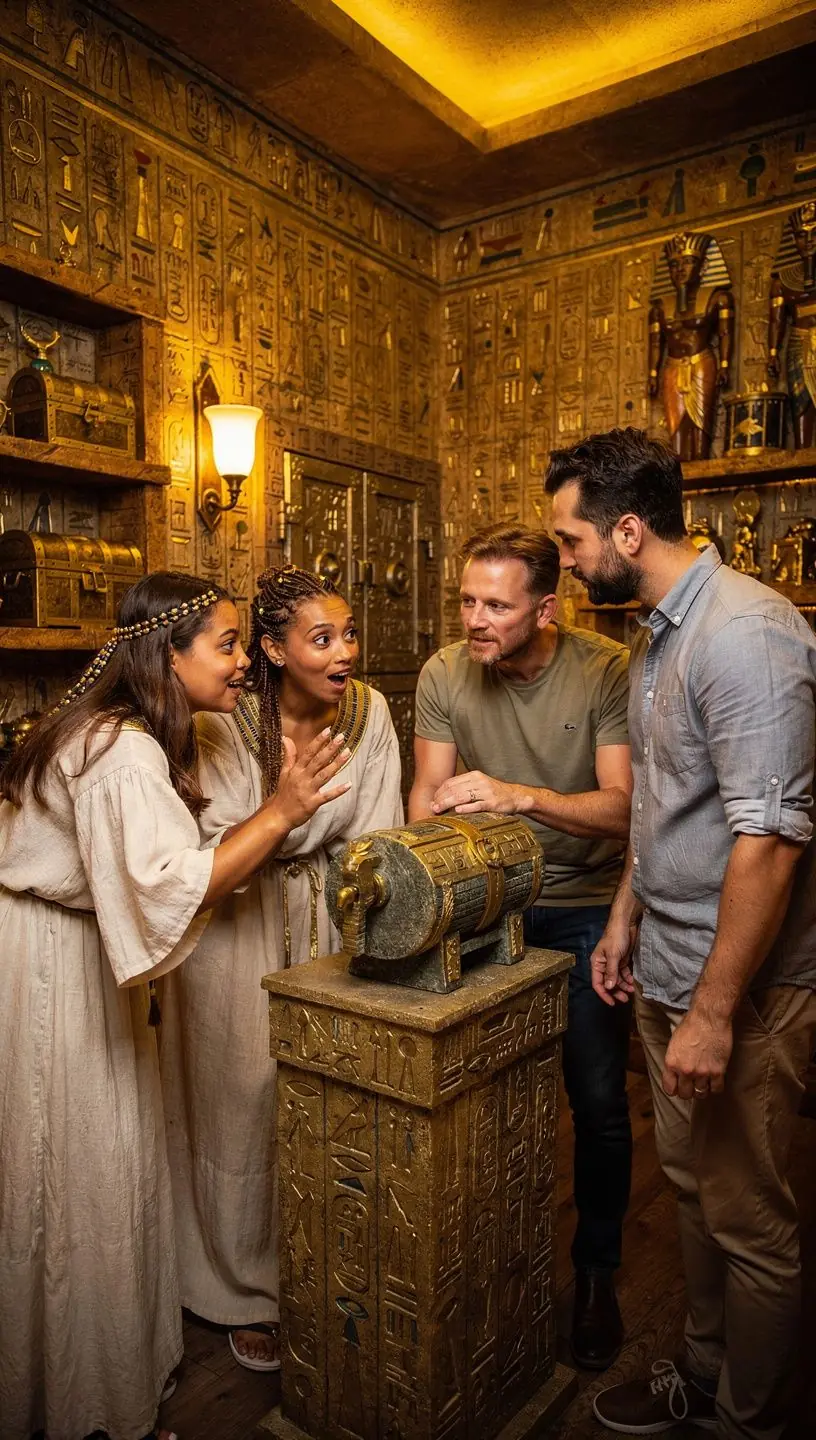
The Role of Puzzles in Team Building Activities
Team building activities have become increasingly popular among organizations aiming to enhance collaboration and communication. Among various methods, escape rooms have emerged as a unique approach that leverages themed puzzles to foster teamwork. This article explores the significance of puzzles in team building and how they can enhance group dynamics.
Understanding the Basics of Team Building with Puzzles
Puzzles are often more than just fun challenges; they serve as effective tools for promoting teamwork and problem-solving skills. Research indicates that engaging in puzzle-based activities can significantly improve interpersonal relationships within teams. According to studies, teams that participate in problem-solving exercises are 25% more likely to report increased collaboration and communication.
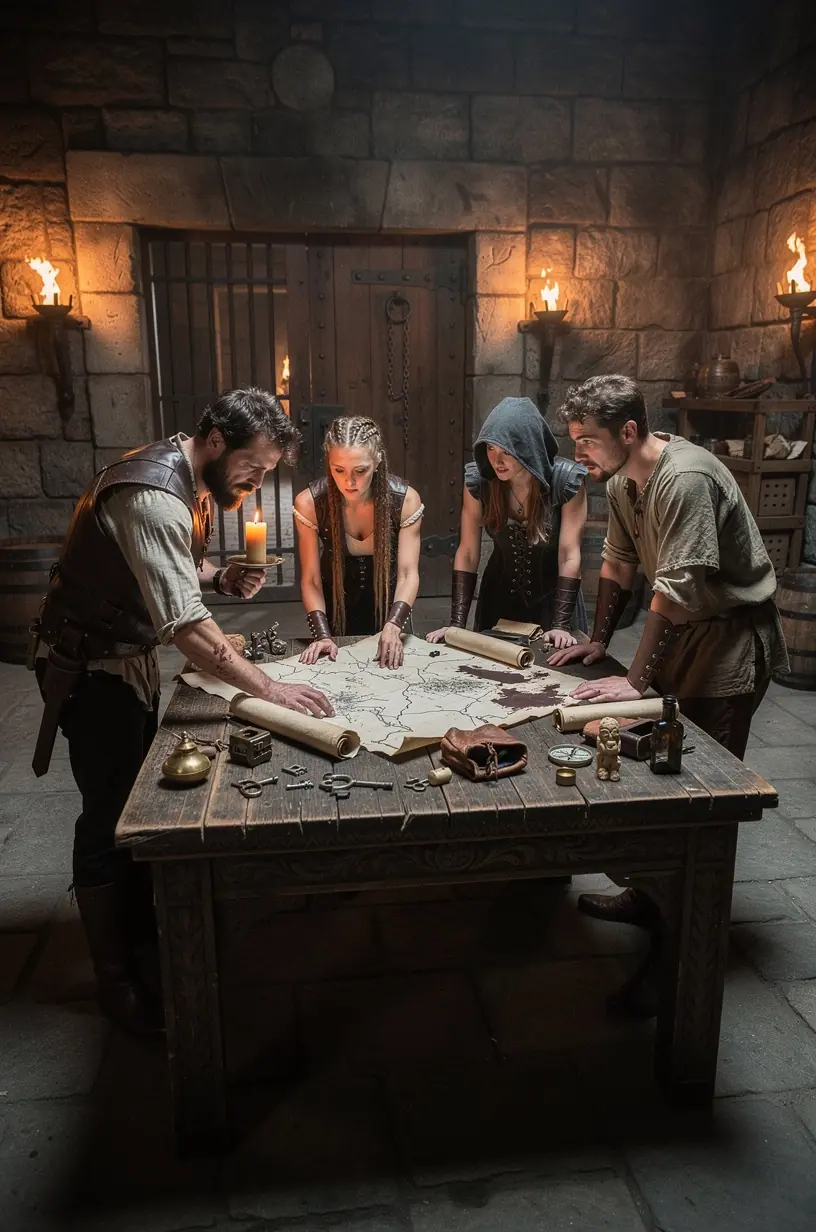
"Effective team building activities, such as puzzles, can lead to improved trust and camaraderie among team members."
How Puzzles Enhance Team Dynamics
The application of puzzles in team-building activities is grounded in several psychological principles that explain their effectiveness:
- Encouraging Communication: Working on puzzles requires teams to communicate effectively to succeed. Studies suggest that clear communication is essential for team success, especially in high-pressure situations.
- Building Trust: When team members collaborate to solve puzzles, they learn to rely on one another. This reliance can foster a sense of trust, which is vital for any high-functioning team.
- Enhancing Problem-Solving Skills: Puzzles present complex challenges that necessitate creative thinking and strategy development. According to experts, engaging in such activities can sharpen these skills, enabling teams to tackle real-world problems more efficiently.
Practical Application in Escape Rooms
Escape rooms are increasingly recognized as an effective venue for team building. They provide immersive environments where teams must communicate, strategize, and solve puzzles under time constraints. This format can yield several benefits:
- Structured Collaboration: The design of escape rooms typically encourages structured teamwork, where each member's input is valuable to achieving a common goal.
- Time Management Skills: Teams often have a limited timeframe to escape, fostering a sense of urgency that mirrors real-world scenarios. This teaches team members to manage their time effectively.
- Reflection and Growth: After the activity, teams can engage in discussions about their experiences. Reflection on what worked well and what didn’t can lead to significant insights and improvements in future collaboration.
Limitations and Considerations
While puzzle-based team-building activities can be highly effective, they do come with certain limitations. It is important to recognize:
- These activities typically require a commitment of 1-2 hours, which may not be feasible for all teams.
- Success in these environments often depends on the willingness of participants to engage openly and communicate, which may require a conducive atmosphere.
- Not all teams will respond positively to puzzle-based activities, especially if members feel uncomfortable with gamified or competitive approaches.
Conclusion
Incorporating puzzles into team-building activities can provide valuable opportunities for growth and collaboration. While results may vary, and commitment is required, many teams report improved dynamics and productivity after engaging in such activities. By understanding the strengths and limitations of puzzle-based approaches, organizations can better harness their potential to enhance teamwork.
Discover More