Tips for Creating Your Own Escape Room Experience
Creating your own escape room can be a rewarding project that fosters creativity, teamwork, and problem-solving skills. This article provides practical tips and insights to help you design an engaging escape room experience that captivates participants while considering essential factors.
Understanding the Basics of Escape Rooms
Escape rooms typically involve participants solving puzzles and completing challenges within a themed environment to "escape" within a set timeframe. According to industry experts, the key components of a successful escape room are immersive themes, logical puzzles, and group participation. It's essential to know that effective escape room experiences often arise from well-structured narratives and engaging challenges.

"An immersive story combined with clever puzzles keeps participants engaged and promotes teamwork."
Essential Steps to Create Your Escape Room
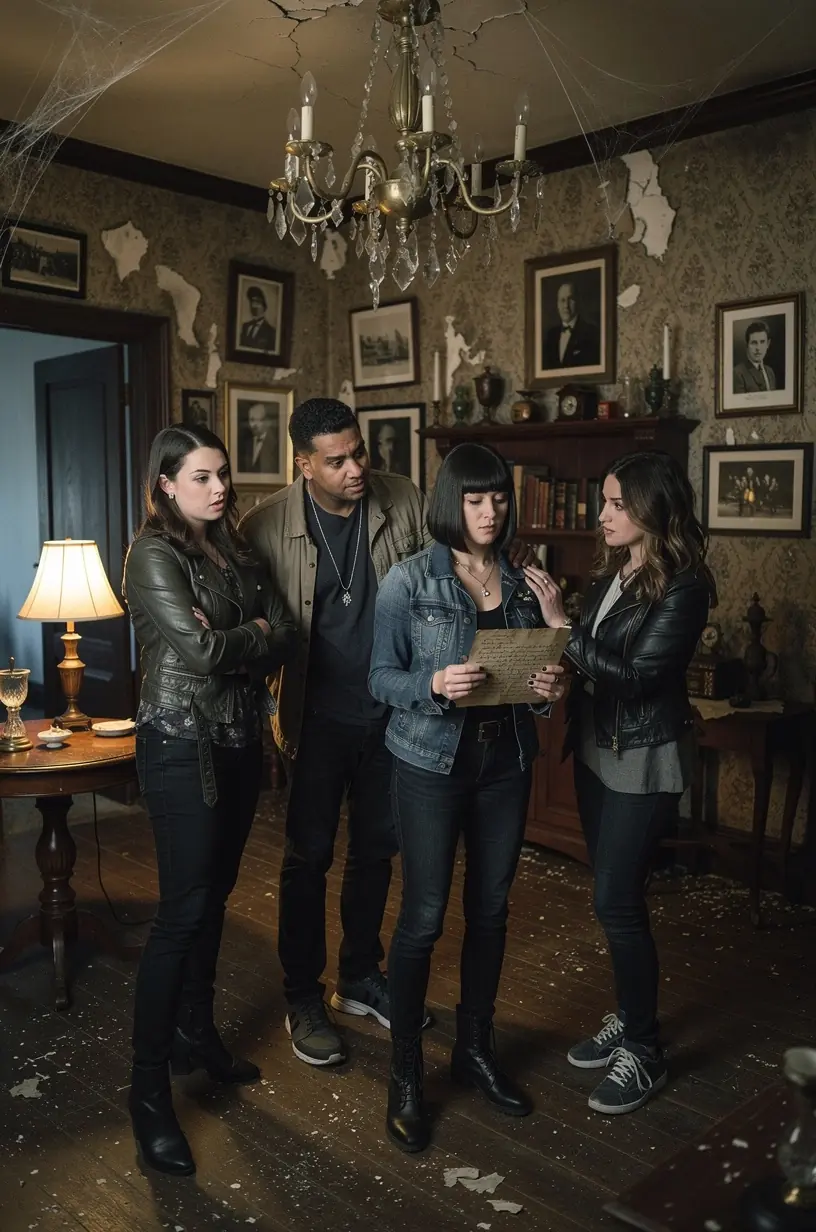
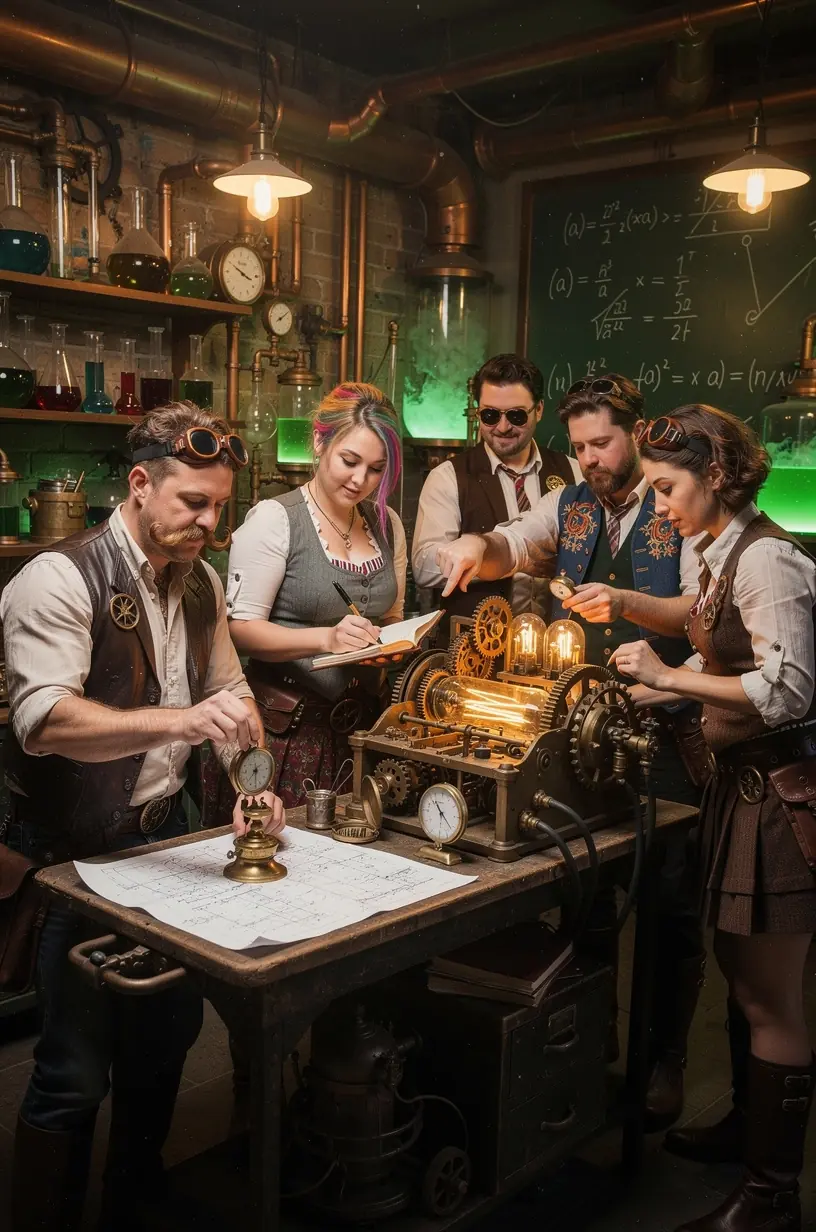
- Define Your Theme: Choose a theme that excites you and your target audience. Popular themes include detective mysteries, horror stories, and adventure quests. Experts recommend aligning the theme with the puzzles to create a cohesive experience.
- Design Your Puzzles: Develop puzzles that vary in difficulty to cater to different skill levels. Research shows that incorporating a mix of logic puzzles, physical tasks, and riddles can enhance engagement. Aim for 5-7 puzzles to keep the experience balanced and manageable.
- Space and Layout: Ensure your escape room space is appropriate for your theme. A typical escape room setup involves 200-400 square feet for a small group. Consider factors such as safety, accessibility, and flow. Industry standards suggest avoiding overly complex designs that may confuse participants.
- Test and Iterate: Before opening your escape room to the public, conduct trial runs with friends or family. Gather feedback and make adjustments based on their experiences. This often involves refining puzzles, improving clues, or altering the narrative for clarity.
Tips for Enhancing the Experience
- Create Immersive Environments: Use props, sound effects, and lighting to enhance the atmosphere. Research indicates that a well-designed environment can increase engagement levels among participants.
- Facilitate Teamwork: Design puzzles that require collaboration and communication. Many users report that challenges encouraging teamwork provide a more enjoyable and memorable experience.
- Set Clear Expectations: Before the game starts, explain the rules, objectives, and any safety protocols. This helps set a comfortable atmosphere and ensures everyone knows what to expect.
Conclusion
Creating your own escape room can be an exciting venture that taps into your creativity and problem-solving abilities. Remember that the process typically takes several weeks, involving planning, designing, and testing. By focusing on immersive themes, diverse puzzles, and fostering teamwork, you can create an engaging experience that keeps participants coming back for more. With careful consideration and a focus on enjoyable interactions, your escape room can become a memorable adventure for all involved.
Discover More